



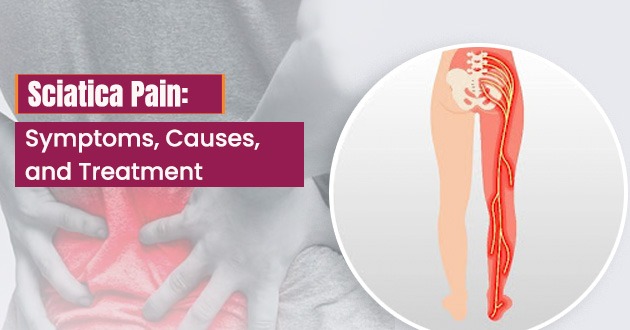
What is sciatica is a common question among people suffering from persistent back and leg discomfort. Sciatica pain refers to pain that occurs when the sciatic nerve—the longest nerve in the human body—gets irritated or compressed. This nerve starts from the lower spine and travels through the hips, buttocks, and down each leg. Sciatic nerve pain typically affects one side of the body and can range from mild discomfort to severe sciatica pain that interferes with daily activities. Many patients describe lower back pain radiating to leg, which is the hallmark sign of sciatica.
Sciatica Symptoms You Should Not Ignore
Sciatica symptoms vary depending on the severity and cause of nerve compression. The most common complaint is shooting pain from lower back to leg, which may worsen while sitting, standing for long periods, or sudden movements. Other symptoms include numbness in leg and foot, tingling sensation in leg and burning pain in sciatic nerve. In advanced cases, patients may experience weakness in leg muscles, making walking or climbing stairs difficult. Acute sciatica usually lasts a few weeks, while chronic sciatica persists for more than three months and requires medical evaluation.
Common Sciatica Causes
Understanding sciatica causes helps in choosing the right treatment. One of the most frequent reasons is herniated disc sciatica, also known as slipped disc causing sciatica, where a disc presses against the nerve root. Spinal stenosis sciatica, a condition involving narrowing of the spinal canal, is common in older adults. Piriformis syndrome sciatica occurs when the piriformis muscle compresses the sciatic nerve. Additionally, sciatica during pregnancy is common due to hormonal changes, weight gain, and posture shifts that put pressure on the lower spine.
Sciatica Diagnosis and Medical Evaluation
Accurate sciatica diagnosis begins with a detailed clinical examination by an orthopedic specialist. Doctors assess reflexes, muscle strength, and sensory responses. Imaging tests such as X-rays, MRI, or CT scans may be recommended to identify disc problems, nerve compression, or spinal abnormalities. Early diagnosis plays a crucial role in preventing long-term nerve damage and ensures faster sciatica pain relief.
Sciatica Treatment Options for Pain Relief
There are multiple sciatica treatment options depending on severity. Initial treatment focuses on conservative care such as physiotherapy for sciatica, which improves flexibility, strengthens muscles, and reduces nerve pressure. Guided exercises for sciatica pain help relieve stiffness and improve posture. Sciatica pain medications, including anti-inflammatory drugs and muscle relaxants, are often prescribed to manage discomfort. For persistent pain, sciatica injection treatment, such as epidural steroid injections, can significantly reduce inflammation. When conservative methods fail, surgery for sciatica may be recommended to relieve nerve compression and restore mobility.
When to See a Specialist
If symptoms worsen, recur frequently, or include progressive weakness, it is essential to consult an experienced orthopedic professional. Choosing the right specialist ensures comprehensive care, whether the condition overlaps with spine disorders or joint issues requiring expertise from a knee replacement surgeon, hip replacement surgeon, or even an orthopedic pediatric surgeon in complex cases involving younger patients.
Conclusion:
Sciatica can significantly impact quality of life if left untreated, but with timely diagnosis and the right treatment approach, most patients recover well. If you are searching for an experienced orthopedic doctor in Hyderabad for advanced sciatica care, consult Dr. Madhu Reddy, a trusted orthopedic specialist known for patient-focused treatment. At MM Ortho Hospital, patients receive comprehensive care for spine, nerve, and joint conditions, supported by modern diagnostics and personalized rehabilitation plans. Early intervention and expert guidance are key to long-term relief from sciatica pain and improved mobility.