



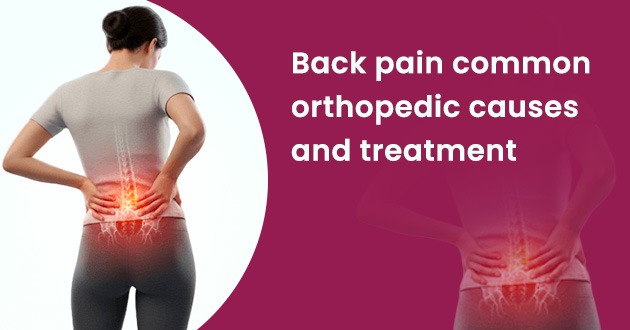
Back pain is one of the most common health complaints affecting people of all ages around the world. Whether it is mild discomfort after a long day at work or severe Chronic Back Pain that interferes with daily activities, back problems can significantly impact quality of life. The spine plays a vital role in supporting the body, protecting the spinal cord, and allowing movement. When something goes wrong with the spine, muscles, or surrounding structures, it can lead to Orthopedic Back Pain that requires proper medical attention and Spine Pain Treatment. Understanding the Causes of Back Pain, symptoms, and available Back Pain Treatment options can help individuals seek timely care and achieve effective Back Pain Relief.
One of the most frequently reported types of back problems is Lower Back Pain, which occurs in the lumbar region of the spine. This area carries most of the body’s weight and is involved in many everyday movements such as bending, lifting, and twisting. Because of this constant stress, the lower back is more prone to injury and strain. One common cause is Muscle Strain Back Pain, which occurs when muscles or ligaments in the back are stretched or torn due to heavy lifting, sudden movements, or overuse. In many cases, Posture Related Back Pain also develops when individuals spend long hours sitting at desks, using computers, or looking down at mobile devices without proper support. Poor posture gradually puts pressure on the spine and surrounding muscles, eventually leading to discomfort and stiffness.
Another significant cause of Chronic Back Pain is problems related to spinal discs. A Herniated Disc, often referred to as a slipped or ruptured disc, occurs when the soft inner portion of a spinal disc pushes through its outer layer. This can press on nearby nerves and cause intense pain, numbness, or weakness in the back and legs. Many patients also experience Sciatica Pain, which radiates from the lower back through the buttocks and down one leg due to irritation of the sciatic nerve. Doctors often recommend Slip Disc Treatment options such as medication, physiotherapy, and lifestyle modifications to reduce pain and inflammation. In severe cases where conservative treatments do not work, surgical procedures may be considered to relieve pressure on the affected nerves.
Another common spinal condition associated with aging is Spinal Stenosis, a condition where the spaces within the spine narrow and place pressure on the spinal cord or nerves. This can lead to pain, numbness, or weakness in the back and legs. Similarly, Degenerative Disc Disease occurs when the discs between the vertebrae gradually wear down over time. This degeneration can lead to reduced flexibility, chronic discomfort, and limited mobility. While these conditions are often associated with aging, lifestyle factors such as obesity, lack of exercise, and improper body mechanics can accelerate spinal degeneration.
Proper Back Pain Diagnosis is essential to determine the exact cause of pain and provide the most effective treatment. Orthopedic specialists usually begin with a detailed medical history and physical examination. Diagnostic tests such as X-rays, MRI scans, or CT scans may also be used to evaluate the condition of the spine, discs, and nerves. Once the cause is identified, doctors can recommend personalized Back Pain Treatment plans based on the patient’s condition and severity of symptoms.
Most cases of Orthopedic Back Pain can be managed with non-surgical treatments. These may include rest, medications to reduce inflammation, physiotherapy, and strengthening exercises that improve flexibility and support the spine. Lifestyle modifications such as maintaining proper posture, using ergonomic furniture, and staying physically active can also play a significant role in preventing future episodes of back pain. In some cases, advanced treatments such as spinal injections, nerve blocks, or minimally invasive procedures may be recommended to provide long-term Back Pain Relief.
When conservative treatments fail to provide adequate relief, surgical intervention may be necessary. Orthopedic surgeons may perform procedures to correct spinal abnormalities, remove herniated disc material, or stabilize the spine. These procedures are usually recommended only after thorough evaluation and when other treatment methods have not been effective.
Conclusion:
Back pain should never be ignored, especially when it becomes persistent or severe. Early consultation with an experienced orthopedic doctor in Hyderabad can help identify the underlying problem and ensure timely treatment. Specialists such as a knee replacement surgeon, hip replacement surgeon, or orthopedic pediatric surgeon often work together to provide comprehensive orthopedic care depending on the patient’s condition. For individuals experiencing persistent Back Pain, Lower Back Pain, or other spine-related issues, consulting Dr. Madhu Reddy (Orthopedic Surgeon) at M&M Ortho Hospital can help ensure accurate diagnosis and effective Spine Pain Treatment. With advanced medical care, modern treatment options, and expert guidance, patients can achieve lasting Back Pain Relief and return to a healthy, active lifestyle.