



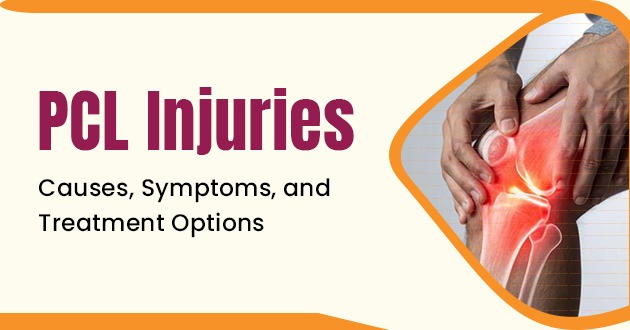
The knee is one of the most complex and heavily used joints in the human body, making it vulnerable to ligament injuries. Among these, a PCL injury—also known as a posterior cruciate ligament injury—is less common than ACL injuries but can still significantly affect mobility and quality of life. The posterior cruciate ligament is located at the back of the knee and plays a vital role in stabilizing the joint by preventing the tibia from moving backward. When this ligament is damaged, it can result in pain, instability, and long-term knee problems if left untreated.
Understanding PCL Injuries
A PCL ligament injury or PCL tear usually occurs due to a strong force applied directly to the front of the knee while it is bent. This type of knee ligament injury is often seen in high-impact situations. Unlike some ligament injuries that occur gradually, PCL injuries frequently result from sudden trauma, making early diagnosis and appropriate treatment essential for optimal recovery.
Causes of PCL Injury
The causes of PCL injury are commonly linked to traumatic events. One of the leading causes is a road accident knee injury, especially when the knee hits the dashboard during a collision. Another major cause is PCL injury from sports, particularly in contact sports like football, rugby, or basketball. Sudden falls, awkward landings, or direct blows to the knee can also lead to knee trauma PCL tear. These injuries fall under the broader category of sports-related ligament injuries, which require specialized orthopedic care.
Symptoms to Watch For
Recognizing PCL injury symptoms early can help prevent further damage. Common signs include posterior knee pain, swelling, and stiffness. Many patients experience knee instability symptoms, such as the feeling that the knee may “give way” while walking or climbing stairs. Swelling after knee injury often appears within hours, and some individuals report difficulty bending knee, especially during physical activity. In mild cases, symptoms may be subtle, which is why professional evaluation is crucial.
Diagnosis of PCL Injuries
Accurate PCL injury diagnosis begins with a detailed medical history and a thorough orthopedic knee examination. An experienced specialist may recommend imaging tests such as an MRI for PCL injury, which provides clear visualization of ligament damage. A knee ligament scan helps determine the severity of the injury and whether other structures in the knee are affected. Early diagnosis allows for timely treatment and reduces the risk of chronic knee instability.
Treatment Options for PCL Injury
PCL injury treatment depends on the grade of the tear and the patient’s activity level. Many mild to moderate injuries respond well to non-surgical PCL treatment, including rest, bracing, and targeted physiotherapy. Structured PCL rehabilitation exercises and physiotherapy for PCL injury focus on strengthening surrounding muscles and restoring knee stability. In severe cases or when conservative methods fail, surgical intervention may be considered among the PCL tear treatment options. Advanced orthopedic techniques help ensure better outcomes and faster return to daily activities.
Recovery, Rehabilitation, and Prevention
PCL injury recovery time varies based on injury severity and treatment approach. With proper knee ligament rehabilitation, many patients regain full function within a few months. Athletes can safely plan a return to sports after PCL injury under medical supervision. Preventive strategies such as strength training, proper warm-ups, and protective sports gear play a key role in preventing knee ligament injuries and reducing recurrence.
Conclusion:
Timely diagnosis and expert care are essential for successful recovery from PCL injuries. Consulting an experienced orthopedic doctor in Hyderabad ensures accurate assessment and personalized treatment. At MM Ortho Hospital, patients receive comprehensive orthopedic services ranging from ligament injury management to joint replacement procedures. Under the guidance of Dr. Madhu Reddy (Orthopedic Surgeon)—a trusted knee replacement surgeon, hip replacement surgeon, and orthopedic pediatric surgeon—patients benefit from advanced treatment protocols, compassionate care, and excellent clinical outcomes. Whether managing sports injuries or complex knee ligament conditions, MM Ortho Hospital stands as a reliable destination for complete orthopedic care.