



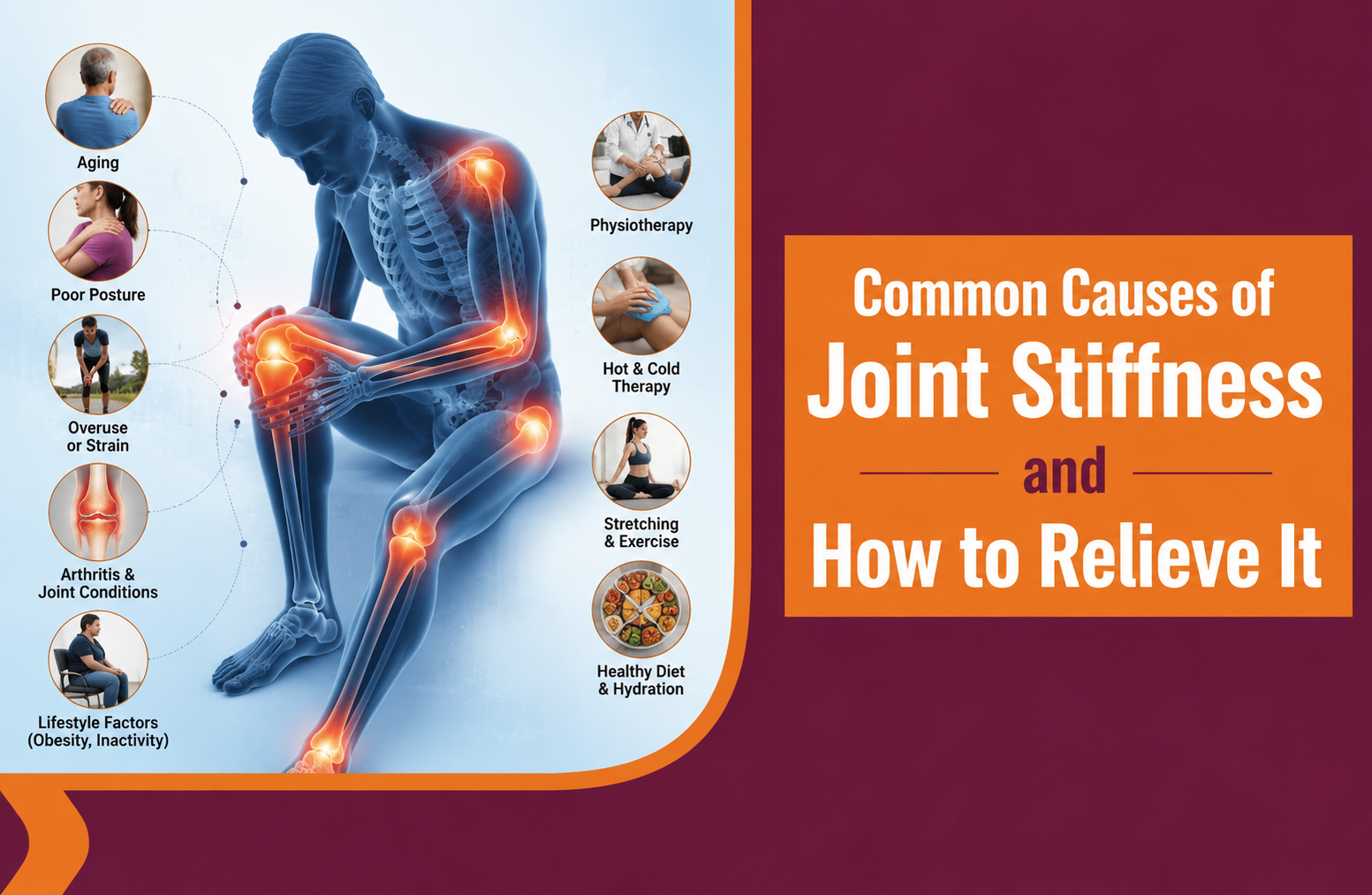
Joint stiffness is a common problem that affects people of all ages, although it becomes more frequent as we grow older. Many people experience morning joint stiffness that improves after moving around, while others notice joint pain and stiffness after prolonged sitting, excessive physical activity, or due to underlying medical conditions. Stiff joints can interfere with daily activities such as walking, climbing stairs, lifting objects, or even writing. Although occasional stiffness may not be a cause for concern, persistent or worsening symptoms should never be ignored. Understanding the causes of joint stiffness and learning how to relieve joint stiffness can help maintain an active lifestyle and improve overall quality of life.
One of the most common causes of joint stiffness is aging. As we age, the cartilage that cushions our joints gradually wears down, reducing joint lubrication and affecting cartilage health. This natural process can make movements less smooth and increase discomfort, especially in weight-bearing joints like the knees and hips. Maintaining healthy joints through regular exercise and a balanced diet can help slow these age-related changes. Staying physically active also improves joint mobility, which is essential for preventing stiffness and maintaining flexibility.
Another leading cause of stiff joints is arthritis. Arthritis and joint stiffness often go hand in hand because inflammation damages the tissues surrounding the joints. Osteoarthritis symptoms typically include pain, stiffness after rest, swelling, and reduced movement due to gradual cartilage wear. On the other hand, Rheumatoid arthritis is an autoimmune disease in which the body’s immune system attacks the joints, causing persistent joint inflammation, swelling, and pain. Early diagnosis and appropriate joint stiffness treatment can help slow disease progression and protect long-term joint function.
Joint stiffness can also occur after injuries or repetitive strain. Sports injuries, ligament tears, fractures, tendon problems, and repetitive work activities may result in knee joint stiffness, shoulder joint stiffness, elbow stiffness, ankle joint stiffness, or finger joint stiffness. Following an injury, scar tissue and swelling can limit movement if proper rehabilitation is not performed. In such situations, physical therapy for joint stiffness plays a vital role in restoring flexibility, rebuilding strength, and improving range of motion.
Lifestyle factors also contribute significantly to joint pain and stiffness. Sitting for long hours, lack of physical activity, obesity, poor posture, and inadequate stretching can increase stress on the joints. Being overweight places additional pressure on the knees and hips, increasing the risk of hip joint stiffness and knee joint stiffness. Regular movement throughout the day, maintaining a healthy weight, and practicing good posture can greatly improve bone and joint health while reducing stiffness.
Many people wonder how to relieve joint stiffness naturally. One of the most effective methods is engaging in regular joint flexibility exercises. Gentle stretching, yoga, swimming, cycling, and walking help improve circulation, maintain flexibility, and enhance joint mobility. Stretching for stiff joints every morning can reduce morning joint stiffness and prepare the body for daily activities. Individuals with arthritis should choose low-impact exercises that strengthen muscles without placing excessive stress on the joints. Simple exercise for joint pain performed consistently can significantly improve comfort and function over time.
Several home remedies for joint stiffness can also provide relief. Applying a warm compress before activity helps relax muscles and improve blood flow, while cold packs reduce swelling and inflammation after strenuous activity. Drinking enough water supports joint lubrication, and consuming foods rich in omega-3 fatty acids, calcium, vitamin D, and antioxidants promotes better cartilage health and overall joint wellness. Avoiding smoking and limiting excessive alcohol consumption can also benefit long-term joint health.
When stiffness becomes severe, persistent, or is accompanied by swelling, redness, fever, or difficulty walking, professional medical evaluation is essential. Proper diagnosis may include a physical examination, imaging studies, or blood tests to determine the underlying cause. Depending on the condition, joint stiffness treatment may involve medications, lifestyle modifications, physical therapy for joint stiffness, injections, or advanced surgical procedures. Early treatment prevents further joint damage and helps patients regain mobility before the condition worsens.
Ignoring chronic stiff joints can lead to reduced independence and decreased quality of life. The good news is that many cases respond well to early intervention, regular exercise, proper nutrition, and timely medical care. Paying attention to warning signs and adopting healthy lifestyle habits can keep joints flexible and pain-free for years to come.
Conclusion
If you are experiencing persistent joint stiffness, joint pain and stiffness, knee joint stiffness, hip joint stiffness, or difficulty performing daily activities, consulting an experienced orthopedic doctor in Hyderabad is the best step toward effective treatment. Whether you require conservative care, advanced physical therapy for joint stiffness, or evaluation by a knee replacement surgeon, hip replacement surgeon, or orthopedic pediatric surgeon, expert guidance ensures the most appropriate treatment plan. Dr. Madhu Reddy (Orthopedic Surgeon) at MM Ortho Hospital is dedicated to providing comprehensive orthopedic care using modern diagnostic techniques and personalized treatment approaches to help patients restore mobility, relieve pain, and maintain lifelong bone and joint health. Early diagnosis and expert care can make a significant difference in achieving lasting joint stiffness relief and improving overall quality of life.