



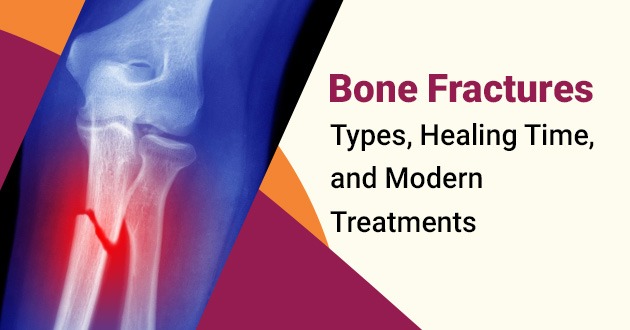
Bone fractures are among the most common orthopedic injuries, affecting people of all ages due to accidents, sports injuries, falls, or underlying medical conditions such as osteoporosis. A bone fracture occurs when the continuity of a bone is disrupted, either partially or completely, leading to pain, swelling, restricted movement, and sometimes visible deformity. Timely fracture diagnosis and treatment are crucial to ensure proper healing and to prevent long-term complications. With advancements in orthopedic fracture care, patients today benefit from accurate diagnosis, faster recovery, and improved functional outcomes through modern fracture treatments.
There are several types of bone fractures, each differing in severity and treatment approach. Understanding the types of bone fractures helps in determining the right fracture treatment options. A simple fracture vs compound fracture is one of the most basic classifications, where a simple fracture involves a clean break without piercing the skin, while a compound fracture causes the bone to protrude through the skin, increasing the risk of infection. Hairline fracture symptoms are often subtle, presenting as localized pain and swelling without obvious deformity, commonly seen in overuse injuries. Stress fractures occur due to repetitive strain, especially among athletes and individuals with active lifestyles. In children, greenstick fracture is common, where the bone bends and cracks rather than breaking completely due to softer bone structure. More severe injuries may result in a comminuted fracture, where the bone breaks into multiple fragments, often requiring advanced fracture treatment and surgical intervention.
Bone fracture healing time varies based on multiple factors such as the type of fracture, age of the patient, overall health, and the treatment method used. Minor fractures may heal within six to eight weeks, while complex fractures can take several months. Bone healing techniques rely on proper alignment, immobilization, and biological healing processes. Casting and splinting remain traditional yet effective methods for stabilizing fractures, especially in simple and non-displaced injuries. However, complex fractures often require surgical intervention to ensure accurate bone alignment and faster recovery.
Modern fracture treatments have significantly transformed orthopedic care by offering precise and minimally invasive solutions. Minimally invasive fracture surgery reduces tissue damage, minimizes pain, and accelerates recovery. Internal fixation surgery involves the use of plates, screws, or rods to stabilize broken bones internally. Plate and screw fixation is commonly used for fractures around joints, while intramedullary nailing is effective for long bone fractures such as the femur and tibia. In cases where internal fixation is not suitable, external fixation for fractures is used to stabilize bones using an external frame. These advanced techniques not only improve bone fracture healing time but also allow early mobilization and rehabilitation.
Orthopedic fracture care extends beyond surgical treatment and includes comprehensive rehabilitation. Physiotherapy plays a vital role in restoring strength, flexibility, and joint movement after fracture healing. Early mobilization under expert supervision reduces stiffness and prevents muscle loss. Choosing an experienced orthopedic doctor in Hyderabad ensures accurate diagnosis, personalized treatment planning, and access to the latest technologies in fracture management. Specialized care is particularly important for children, where an orthopedic pediatric surgeon understands growth-related considerations, and for elderly patients who may also require guidance from a knee replacement surgeon or hip replacement surgeon if fractures affect major joints.
Conclusion:
Bone fractures require expert evaluation and timely intervention to achieve optimal healing and long-term mobility. From identifying different types of bone fractures to understanding bone fracture healing time and choosing the right fracture treatment options, modern orthopedic care offers safe and effective solutions for patients of all ages. Advanced fracture treatment techniques such as minimally invasive fracture surgery, internal fixation surgery, and intramedullary nailing have revolutionized recovery outcomes. At MM Ortho Hospital MM Ortho Hospital, patients receive comprehensive orthopedic fracture care guided by expertise, technology, and compassion. Under the leadership of Dr. Madhu Reddy (Orthopedic Surgeon), the hospital provides advanced fracture diagnosis and treatment with a patient-centered approach, making it a trusted destination for orthopedic care. Whether consulting an orthopedic doctor in Hyderabad, a knee replacement surgeon, hip replacement surgeon, or an orthopedic pediatric surgeon, expert care ensures faster healing, reduced complications, and a confident return to daily life.