



Heel pain is one of the most common foot complaints affecting people of all ages. Whether you’re an athlete, a working professional, or someone who spends long hours standing, persistent foot pain can interfere with daily activities and reduce your quality of life. While occasional discomfort may resolve with rest, chronic heel pain should never be ignored, as it may indicate an underlying orthopedic condition that requires proper evaluation and treatment. Understanding the heel pain causes, recognizing heel pain symptoms, and following the right heel pain treatment and heel pain prevention strategies can help you recover faster and avoid long-term complications.
What Causes Heel Pain?
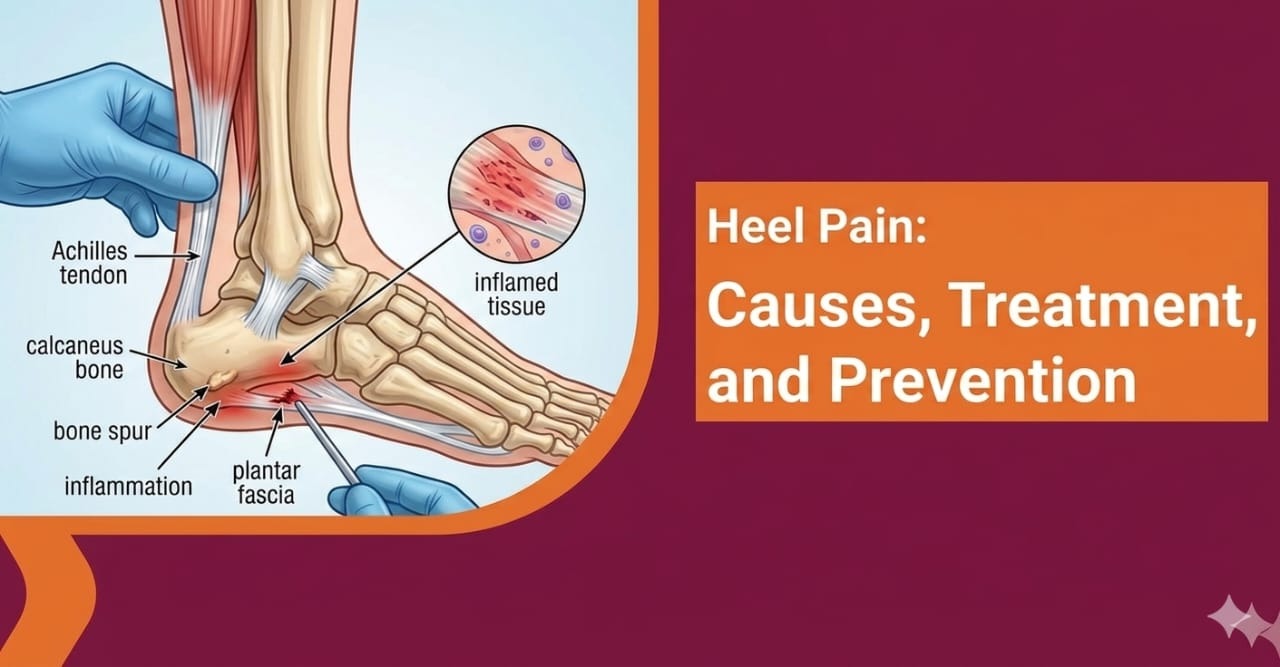
Several conditions can contribute to heel bone pain or pain under heel, ranging from overuse injuries to structural abnormalities. The most common cause is Plantar Fasciitis, a condition where the thick band of tissue supporting the arch of the foot becomes inflamed. It typically causes severe morning heel pain, especially with the first few steps after waking up.
Another common cause is a heel spur, which is a calcium deposit that develops on the underside of the heel bone due to prolonged strain on the plantar fascia. Although not all heel spurs cause pain, they often occur alongside plantar fasciitis and may require heel spur treatment if symptoms persist.
Achilles Tendinitis is another major cause of heel pain, particularly in runners and physically active individuals. This condition causes Achilles tendon pain at the back of the heel due to repetitive stress or sudden increases in activity levels.
Other possible causes include heel injury, stress fractures, bursitis, nerve compression, arthritis, obesity, and biomechanical issues such as flat feet heel pain. Individuals who spend long hours standing or walking may also experience heel pain after standing because of continuous pressure on the foot.
Common Symptoms of Heel Pain
The severity of heel pain symptoms depends on the underlying condition. Many patients experience a sharp or stabbing pain beneath the heel during the first few steps in the morning. Others may notice discomfort after prolonged standing, walking, or running.
Additional symptoms may include:
- Persistent foot and ankle pain
- Foot arch pain
- Heel swelling
- Tenderness around the heel bone
- Pain while climbing stairs
- Difficulty walking because of pain while walking
- Reduced flexibility of the foot and ankle
If these symptoms continue for several weeks or worsen over time, professional heel pain diagnosis becomes essential.
Diagnosis of Heel Pain
An orthopedic specialist will begin with a detailed medical history and physical examination. The location of tenderness, foot alignment, walking pattern, and range of motion help identify the underlying cause.
Imaging tests such as X-rays may detect a heel spur, fractures, or arthritis, while ultrasound or MRI scans may be recommended for soft tissue injuries like Plantar Fasciitis or Achilles Tendinitis. Early diagnosis ensures accurate treatment and prevents the condition from becoming chronic.
Heel Pain Treatment Options
The appropriate heel pain treatment depends on the cause and severity of symptoms. Most patients respond well to conservative treatment for heel pain, avoiding the need for surgery.
Treatment options include:
- Adequate rest and activity modification
- Ice application to reduce heel inflammation
- Anti-inflammatory medications when prescribed
- Proper footwear with cushioning and arch support
- Orthotics for heel pain to improve foot alignment
- Customized exercises for heel pain to restore normal foot function
For patients with severe Plantar Fasciitis, additional treatments such as corticosteroid injections, platelet-rich plasma (PRP), or extracorporeal shockwave therapy may be considered. Surgery is recommended only in rare cases where conservative methods fail to provide lasting heel pain relief.
Preventing Heel Pain
Effective heel pain prevention begins with maintaining healthy foot habits. Wearing supportive shoes, especially during exercise or prolonged standing, significantly reduces stress on the heel. Gradually increasing physical activity helps prevent running heel pain and heel pain in athletes caused by overuse.
Maintaining a healthy body weight decreases pressure on the feet and lowers the risk of heel bone pain. Regular stretching before and after exercise keeps the plantar fascia and Achilles tendon flexible. Replacing worn-out footwear and using proper orthotic inserts can further reduce strain on the heel.
People with diabetes, arthritis, or structural foot abnormalities should undergo regular orthopedic evaluations to detect problems early before they become more serious.
Conclusion
Ignoring persistent heel pain can lead to long-term discomfort and reduced mobility. Early diagnosis and timely heel pain treatment can help prevent complications and restore normal activity. Whether your symptoms are due to Plantar Fasciitis, Achilles Tendinitis, a heel spur, or another orthopedic condition, seeking expert medical advice is the best way to achieve lasting recovery.
If you are looking for an experienced orthopedic doctor in Hyderabad, consult Dr. Madhu Reddy, a highly skilled orthopedic surgeon at M&M Ortho Hospital. From advanced diagnosis and conservative care to specialized orthopedic treatments, the hospital offers comprehensive care for bone, joint, and foot conditions. In addition to treating heel pain, Dr. Madhu Reddy is experienced in joint preservation and works alongside specialists including a knee replacement surgeon, hip replacement surgeon, and orthopedic pediatric surgeon, ensuring complete orthopedic care for patients of all age groups.