



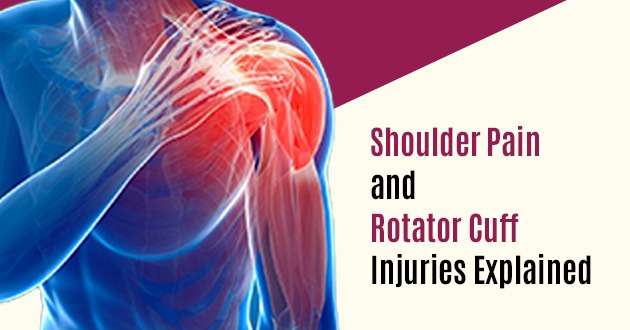
Shoulder pain is one of the most common musculoskeletal complaints seen across all age groups, affecting daily activities such as lifting, reaching, sleeping, and even simple arm movements. The shoulder joint is highly mobile, which makes it vulnerable to injuries, overuse, and degeneration. Among the many causes of shoulder joint pain, rotator cuff injury stands out as a leading reason for discomfort and restricted movement. The rotator cuff is a group of muscles and tendons that stabilize the shoulder joint and allow smooth arm rotation. When these structures are strained, inflamed, or torn, it can result in significant shoulder muscle injury and shoulder tendon injury, leading to both acute and chronic shoulder pain.
The causes of shoulder pain vary widely and may include repetitive overhead activities, sports injuries, falls, age-related wear and tear, poor posture, or sudden trauma. Individuals involved in manual labor, athletes, and older adults are particularly prone to rotator cuff injury. Over time, repeated stress on the shoulder can weaken the tendons, making them susceptible to partial or complete rotator cuff tear. Degenerative changes, reduced blood supply to the tendons, and underlying conditions such as diabetes can also increase the risk of shoulder stiffness and pain. Understanding the causes of shoulder pain is essential for early intervention and prevention of long-term complications.
Recognizing the symptoms of rotator cuff injury early can help avoid severe damage. Common rotator cuff tear symptoms include persistent shoulder pain, weakness in the arm, difficulty lifting or rotating the arm, pain that worsens at night, and a clicking or popping sensation during movement. Many patients experience shoulder stiffness and pain that gradually worsens, eventually limiting their range of motion. In severe cases, even simple tasks such as combing hair or reaching overhead become painful. Chronic shoulder pain should never be ignored, as delayed treatment may lead to permanent loss of shoulder function.
Accurate shoulder pain diagnosis is crucial for effective management. An experienced orthopedic doctor in Hyderabad will typically begin with a detailed clinical examination, assessing shoulder strength, flexibility, and pain patterns. Imaging studies such as X-rays, ultrasound, or MRI scans help confirm the presence and severity of a rotator cuff tear or other shoulder tendon injury. Early diagnosis allows for tailored treatment plans that focus on relieving pain, restoring movement, and preventing further damage to the shoulder joint.
Shoulder pain treatment depends on the severity of the injury and the patient’s lifestyle. In many cases, non-surgical treatment for shoulder pain is highly effective, especially when started early. This may include rest, activity modification, anti-inflammatory medications, and physiotherapy for shoulder pain. Structured physiotherapy programs play a vital role in strengthening shoulder muscles, improving flexibility, and restoring joint stability. For mild to moderate rotator cuff injury treatment, these conservative methods often provide excellent outcomes and help patients return to normal activities without surgery.
However, when conservative management fails or in cases of severe rotator cuff tear, surgical intervention may be required. Modern orthopedic techniques, including minimally invasive arthroscopic surgery, allow precise repair of damaged tendons with faster recovery and less postoperative pain. Advanced orthopedic care often overlaps with other specialties, such as knee replacement surgeon expertise for joint degeneration, hip replacement surgeon management for mobility restoration, and orthopedic pediatric surgeon care for shoulder injuries in children and adolescents. A comprehensive orthopedic approach ensures holistic musculoskeletal health across all age groups.
Conclusion:
Shoulder pain and rotator cuff injuries can significantly affect quality of life if left untreated, but timely diagnosis and appropriate treatment can restore comfort and mobility. Whether managed through physiotherapy or advanced surgical techniques, personalized care is essential for long-term recovery. At MM Ortho Hospital, patients receive comprehensive evaluation and advanced orthopedic care under the guidance of Dr. Madhu Reddy (Orthopedic Surgeon), who brings vast experience in treating complex shoulder conditions along with joint replacement and pediatric orthopedic expertise. If you are experiencing persistent shoulder pain, consulting an experienced orthopedic doctor in Hyderabad can help you regain strength, movement, and confidence in your daily life.