



Introduction
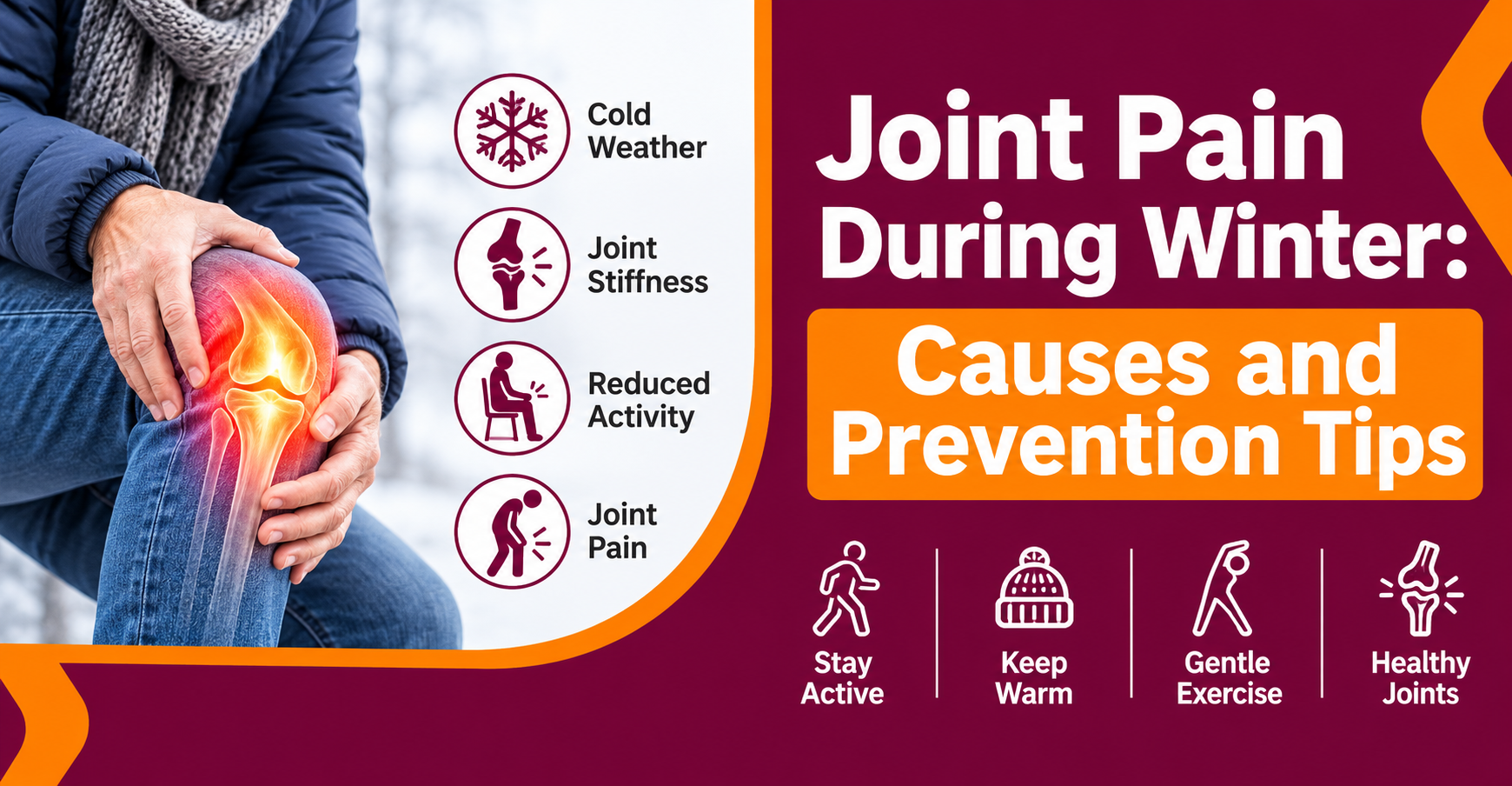
Joint pain is a common problem experienced by people of different age groups, especially during the winter season. Many people notice increased discomfort, stiffness, and difficulty moving their joints when temperatures drop. Joint Pain During Winter can affect everyday activities such as walking, climbing stairs, exercising, and even getting out of bed in the morning. People with arthritis, previous joint injuries, or age-related joint conditions may experience more discomfort during colder months. Although cold weather does not directly cause arthritis, changes in temperature, reduced physical activity, and muscle stiffness can contribute to increased pain. Understanding the Causes of Joint Pain in Winter and following simple preventive measures can help maintain flexibility, mobility, and overall joint health.
Why Do Joints Hurt More in Winter?
Many people wonder, why do joints hurt more in winter? One possible reason is that cold temperatures can make muscles, tendons, and surrounding tissues feel tighter, resulting in Winter Joint Stiffness and discomfort. Changes in atmospheric pressure may also influence how some people experience joint pain, particularly those with existing arthritis. Additionally, people tend to remain indoors and reduce their physical activity during colder weather, which can affect joint flexibility and muscle strength. These factors may contribute to Joint Pain in Cold Weather, making regular movement and proper joint care important throughout the winter season.
Common Causes of Joint Pain in Cold Weather
There are several factors responsible for Winter Joint Pain. Reduced physical activity is one of the most common reasons, as limited movement can cause stiffness and weaken the muscles supporting the joints. People with osteoarthritis may experience increased discomfort because damaged cartilage already makes joint movement difficult. Arthritis Pain in Winter may become more noticeable due to changes in temperature, activity levels, and sensitivity around affected joints. Previous ligament injuries, muscle weakness, inflammation, and age-related joint changes can also contribute to discomfort. Knee Pain During Winter is particularly common among older adults and individuals with existing knee problems. Sometimes, Muscle and Joint Pain During Winter can also occur because muscles become tense and people spend more time sitting in one position. However, persistent or severe pain should not automatically be attributed to the weather, as it may indicate an underlying orthopedic condition.
Common Symptoms of Winter Joint Pain
People experiencing Cold Weather Joint Pain may notice several symptoms that affect their daily routine. These include stiffness in the knees, hips, shoulders, wrists, and fingers, especially after waking up in the morning. Some individuals experience swelling, tenderness, reduced flexibility, and discomfort while walking or performing household activities. Joint Stiffness in Cold Weather may also make it difficult to stand after sitting for long periods. In people with arthritis, joint discomfort may increase after physical activity or prolonged rest. Recognizing these symptoms early can help individuals seek appropriate medical advice and avoid worsening joint problems.
Effective Joint Pain Prevention Tips During Winter
Following simple lifestyle habits can help reduce discomfort and maintain healthy joints during colder months. One of the most effective Joint Pain Prevention Tips is staying physically active. Regular walking, gentle stretching, yoga, and swimming can improve circulation and maintain flexibility. Wearing warm clothing, especially around the knees, shoulders, and hands, can help keep the body comfortable. Maintaining a healthy body weight is also important because excess weight places additional pressure on weight-bearing joints. A balanced diet containing calcium, vitamin D, protein, and other essential nutrients supports overall bone and muscle health. Drinking enough water and avoiding prolonged sitting can further improve mobility. These simple habits are useful Ways to Keep Your Joints Healthy in Winter.
Best Exercises to Prevent Joint Stiffness
Regular exercise plays an important role in maintaining joint flexibility and strength. Gentle walking, stationary cycling, stretching, and low-impact yoga are beneficial activities for people experiencing mild joint discomfort. Joint Mobility Exercises help improve movement, while Joint Strengthening Exercises support the muscles surrounding the joints. People with knee discomfort can practice suitable Knee Pain Relief Exercises under professional guidance. These activities can help improve flexibility and reduce stiffness without placing excessive stress on the joints. However, exercise routines should be selected according to individual health conditions and physical ability. Avoid exercises that increase pain and consult an orthopedic specialist before beginning a new routine if you have an existing joint injury.
Joint Pain Relief and Treatment Options
If joint discomfort continues despite preventive measures, appropriate medical evaluation is important. Joint Pain Treatment depends on the underlying cause, severity of symptoms, and the joints involved. An orthopedic specialist may recommend medication when appropriate, activity modification, physiotherapy, or other treatments based on the diagnosis. Joint Pain Physiotherapy can help improve flexibility, strengthen supporting muscles, and restore normal movement. Simple Winter Joint Pain Remedies, such as using a warm compress, may provide temporary comfort for stiffness. A Warm Compress for Joint Pain can help relax tight muscles, but it should not be applied to an acutely swollen or injured area without medical advice. People experiencing persistent swelling, severe pain, redness, fever, or difficulty walking should seek medical attention promptly. Early diagnosis and suitable Winter Joint Pain Treatment can help prevent complications and improve mobility.
Tips to Maintain Joint Health During Winter
Maintaining good habits throughout winter is essential for long-term joint care. Following a nutritious diet, staying hydrated, maintaining a healthy weight, and getting adequate sleep can support overall well-being. Avoid sitting continuously for long periods and take short movement breaks throughout the day. Practice suitable Joint Flexibility Exercises and follow professional recommendations for existing orthopedic conditions. These Effective Winter Joint Pain Management Tips can help people stay active and comfortable during colder months. Remember that Natural Ways to Relieve Joint Pain in Winter, including gentle exercise and warmth, may provide relief, but they should not replace medical treatment when necessary.
Conclusion
Joint Pain During Winter can affect mobility and quality of life, but proper care, regular exercise, and timely medical attention can help manage discomfort. Understanding the Cold Weather Effects on Joints, following preventive measures, and choosing suitable treatment options are important for maintaining healthy joints. Whether you are experiencing knee pain, arthritis, or general joint stiffness, consulting an experienced orthopedic doctor in Hyderabad can help identify the underlying problem. For advanced orthopedic care, including guidance from an experienced knee replacement surgeon, hip replacement surgeon, or orthopedic pediatric surgeon, expert evaluation is essential. At M&M Ortho Hospital, under the guidance of Dr. Madhu Reddy (Orthopedic Surgeon), patients can receive appropriate evaluation and treatment for various bone and joint conditions. Taking the right steps today can help protect your joint health and keep you active and comfortable throughout the winter season.