



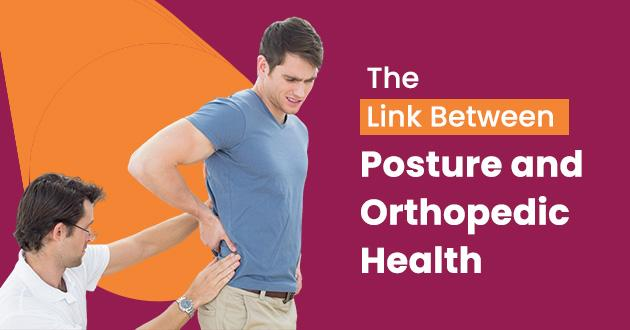
Maintaining proper posture plays a crucial role in your long-term well-being, especially when it comes to posture and orthopedic health, yet many people overlook how the way they sit, stand, and move daily impacts their bones, joints, and overall musculoskeletal balance. Posture and bone health are deeply connected because your skeleton is designed to support your body in a specific alignment, and any deviation from this natural structure can place unnecessary stress on various parts of the body. Poor posture not only affects your spinal alignment but also influences posture and joint health, often leading to stiffness, muscle tension, pain, and long-term joint wear. One of the most important aspects of posture is how it affects the cervical spine, as bending your neck excessively while using digital devices can lead to cervical spine strain, headaches, and shoulder discomfort. Likewise, incorrect lumbar spine alignment is a major contributor to lower back pain, as slouching or sitting in unsupported positions forces the lower back to compensate, eventually straining the ligaments, muscles, and vertebrae. These issues, when left unaddressed, may progress into chronic conditions, making chronic back pain prevention essential for maintaining mobility and comfort as you age.
The importance of good posture extends beyond appearance; it is essential for maintaining orthopedic health and posture throughout your life. When your posture is balanced, your joints work smoothly, your muscles function efficiently, and your spine is protected from excessive pressure. These good posture benefits enhance breathing, circulation, energy levels, and even mood. However, the effects of poor posture can be far-reaching, contributing to musculoskeletal disorders, reduced flexibility, early onset arthritis, and even digestive disturbances due to compression of abdominal organs. Orthopedic specialists often note that many common orthopedic concerns—such as back pain, neck pain, shoulder tightness, knee strain, and hip discomfort—are significantly linked to incorrect posture habits developed over time. Whether it’s sitting hunched over a computer, standing with uneven weight distribution, or carrying heavy bags incorrectly, daily habits shape long-term orthopedic outcomes. Children are especially vulnerable to posture-related issues due to prolonged screen exposure and poor seating habits, which is why guidance from an orthopedic pediatric surgeon can help prevent structural or developmental misalignments early in life.
Good posture also plays a key role in preventing joint degeneration and reducing stress on weight-bearing joints such as the knees and hips. When posture collapses, the body compensates by shifting pressure to other areas, potentially worsening pre-existing conditions or accelerating wear. Knee pain, hip stiffness, and lower back discomfort are commonly seen in individuals with poor posture, which is why many adults eventually need to consult specialists like a knee replacement surgeon or hip replacement surgeon for advanced care. But early attention to orthopedic health and posture may help delay or even avoid such invasive treatments. Engaging in posture correction exercises, strengthening the core, using ergonomically designed furniture, practicing mindful sitting and standing, and taking frequent movement breaks during long work hours can significantly improve posture and bone health. Additionally, regular stretching and low-impact activities such as walking, swimming, and yoga promote joint flexibility and musculoskeletal balance, reducing the risk of future orthopedic complications.
Posture awareness is also essential for individuals recovering from injuries, as incorrect movements can delay healing or worsen conditions. Athletes, office workers, students, and elderly individuals all benefit from posture education because repetitive strain and prolonged static postures contribute to misalignment and chronic pain. Early detection and proper orthopedic evaluation help identify issues before they escalate, ensuring better outcomes. Modern technologies such as posture analysis tools, wearable devices, and ergonomic workstations make it easier to understand how your body moves and where improvements are needed. When combined with professional guidance from an experienced orthopedic doctor in Hyderabad, patients can receive personalized assessments and treatment strategies tailored to their unique needs. Overall, maintaining correct posture is one of the simplest yet most powerful ways to protect your spine, enhance mobility, prevent injuries, and support long-term orthopedic wellness.
Conclusion:
In conclusion, the link between posture and orthopedic health underscores how posture and bone health, posture and joint health, musculoskeletal balance, cervical spine strain, lumbar spine alignment, the importance of good posture, and chronic back pain prevention all play a vital role in lifelong wellness. For individuals seeking expert evaluation or treatment from an orthopedic doctor in Hyderabad—whether for posture-related issues, joint concerns, or surgical needs such as a knee replacement surgeon, hip replacement surgeon, or even guidance from an orthopedic pediatric surgeon Dr. Madhu Reddy (orthopedic surgeon) at MM Ortho Hospital offers comprehensive and advanced orthopedic care to help patients achieve better posture, improved mobility, and long-term musculoskeletal health.