



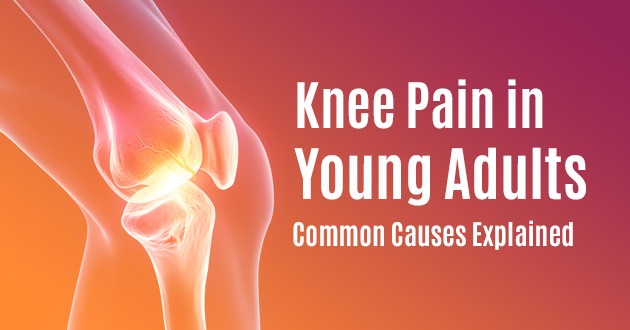
Knee pain is no longer a problem limited to older adults. Today, a growing number of young adults in their 20s and 30s experience knee discomfort that affects their daily activities, work, and fitness routines. From long hours of sitting to intense workouts and sports injuries, knee pain can develop due to several underlying reasons. Understanding the causes of knee pain at an early stage can help prevent long-term damage and improve joint health.
𝐂𝐨𝐦𝐦𝐨𝐧 𝐂𝐚𝐮𝐬𝐞𝐬 𝐨𝐟 𝐊𝐧𝐞𝐞 𝐏𝐚𝐢𝐧
Knee pain in young adults can occur due to a combination of lifestyle habits, physical stress, and medical conditions. Poor posture, lack of proper warm-up before exercise, sudden increase in physical activity, and excess body weight can all put unnecessary pressure on the knee joint. Weak muscles around the knee, especially the quadriceps and hamstrings, may also fail to support the joint properly, leading to pain and instability over time.
𝐊𝐧𝐞𝐞 𝐏𝐚𝐢𝐧 𝐖𝐢𝐭𝐡𝐨𝐮𝐭 𝐈𝐧𝐣𝐮𝐫𝐲
Many young adults experience knee pain even without a visible injury or accident. This type of pain often develops gradually and is linked to poor biomechanics, muscle imbalance, or cartilage wear. Sitting for long hours, improper walking posture, and flat feet can alter knee alignment, causing discomfort. Conditions such as patellofemoral pain syndrome (runner’s knee) can also lead to pain around the kneecap without any traumatic event.
𝐒𝐩𝐨𝐫𝐭𝐬-𝐑𝐞𝐥𝐚𝐭𝐞𝐝 𝐊𝐧𝐞𝐞 𝐏𝐚𝐢𝐧
Sports-related knee pain is one of the most common complaints among active young adults. Activities like football, cricket, basketball, badminton, and gym workouts place repetitive stress on the knee joint. Sudden twisting movements, jumping, or improper landing can injure ligaments such as the ACL or cause meniscus tears. Without proper rest and rehabilitation, minor sports injuries can worsen and lead to chronic knee pain.
𝐊𝐧𝐞𝐞 𝐏𝐚𝐢𝐧 𝐃𝐮𝐞 𝐭𝐨 𝐎𝐯𝐞𝐫𝐮𝐬𝐞
Overuse injuries occur when the knee is subjected to repeated stress without adequate recovery time. Running long distances, climbing stairs frequently, or performing repetitive squats and lunges can strain the tendons and cartilage. Tendinitis and bursitis are common results of overuse and can cause swelling, stiffness, and pain around the knee. Young adults who suddenly increase workout intensity without conditioning are particularly at risk.
𝐊𝐧𝐞𝐞 𝐏𝐚𝐢𝐧 𝐖𝐡𝐢𝐥𝐞 𝐖𝐚𝐥𝐤𝐢𝐧𝐠 𝐨𝐫 𝐑𝐮𝐧𝐧𝐢𝐧𝐠
Pain while walking or running often indicates an underlying alignment or muscle issue. Poor footwear, uneven walking surfaces, and improper running techniques can increase impact on the knee joint. If pain is felt during routine walking, it may be due to early cartilage damage, ligament strain, or inflammation. Ignoring such symptoms can lead to worsening pain and reduced mobility.
𝐊𝐧𝐞𝐞 𝐏𝐚𝐢𝐧 𝐀𝐟𝐭𝐞𝐫 𝐄𝐱𝐞𝐫𝐜𝐢𝐬𝐞
Experiencing knee pain after exercise is a sign that the joint has been overworked or stressed incorrectly. Delayed onset muscle soreness is common, but persistent pain after workouts may indicate strain, inflammation, or joint overload. Lack of stretching, improper form, and insufficient recovery can all contribute to post-exercise knee pain. Listening to the body and seeking medical advice early is essential to avoid long-term complications.
𝐖𝐡𝐞𝐧 𝐭𝐨 𝐂𝐨𝐧𝐬𝐮𝐥𝐭 𝐚 𝐒𝐩𝐞𝐜𝐢𝐚𝐥𝐢𝐬𝐭
If knee pain persists for more than a few days, is accompanied by swelling, instability, or difficulty in movement, it is important to consult an orthopedic specialist. Early diagnosis helps in identifying the exact cause and starting appropriate treatment such as physiotherapy, lifestyle modification, or medical management. In advanced cases, timely intervention can prevent the need for surgical procedures later in life.
𝐂𝐨𝐧𝐜𝐥𝐮𝐬𝐢𝐨𝐧:
Knee pain in young adults should never be ignored, as early symptoms can indicate deeper joint issues. Proper exercise techniques, maintaining a healthy weight, wearing supportive footwear, and strengthening surrounding muscles can significantly reduce the risk of knee problems. Consulting an experienced orthopedic doctor in Hyderabad can help in accurate diagnosis and personalized treatment planning. While procedures like knee replacement or hip replacement are generally advised for severe joint damage and are performed by an expert knee replacement surgeon or hip replacement surgeon, early care can often prevent such outcomes. For young patients and children with joint concerns, guidance from an orthopedic pediatric surgeon is equally important. At MM Ortho Hospital, under the expert care of Dr. Madhu Reddy (Orthopedic Surgeon), patients receive comprehensive evaluation and advanced orthopedic care focused on long-term joint health and mobility.